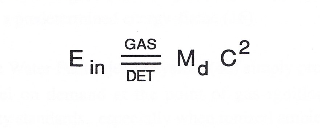
Figure (1-8)
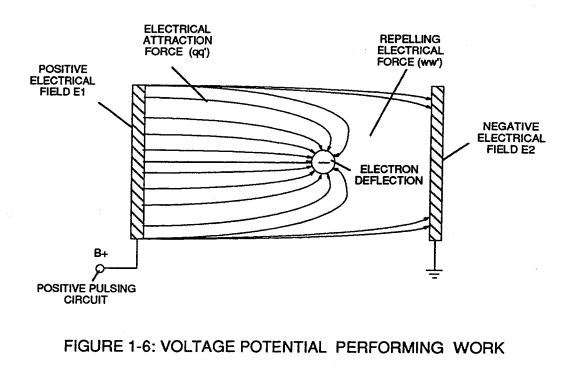
Voltage Potential Performing Work
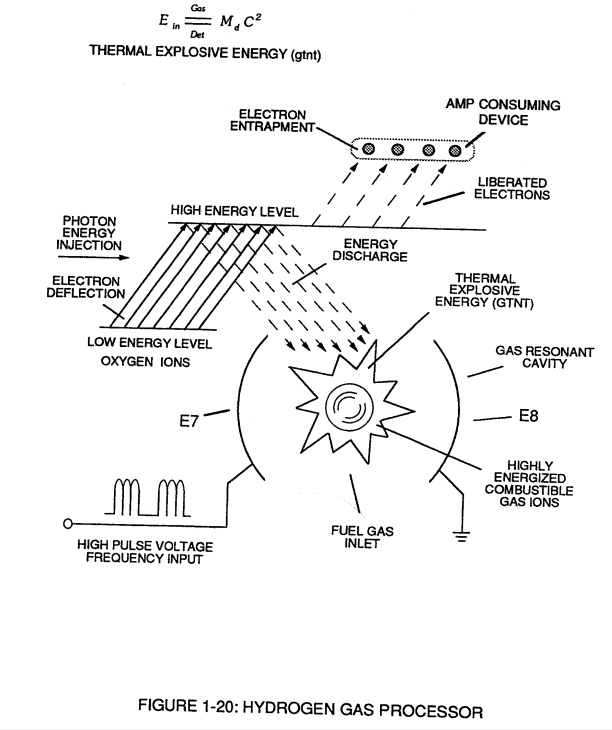
Also written Electron Extraction Circuit · Hydrogen Fracturing Process · Hydrogen Gas Processor
How it is written
- (1-8) 9×
Drawings 5
-
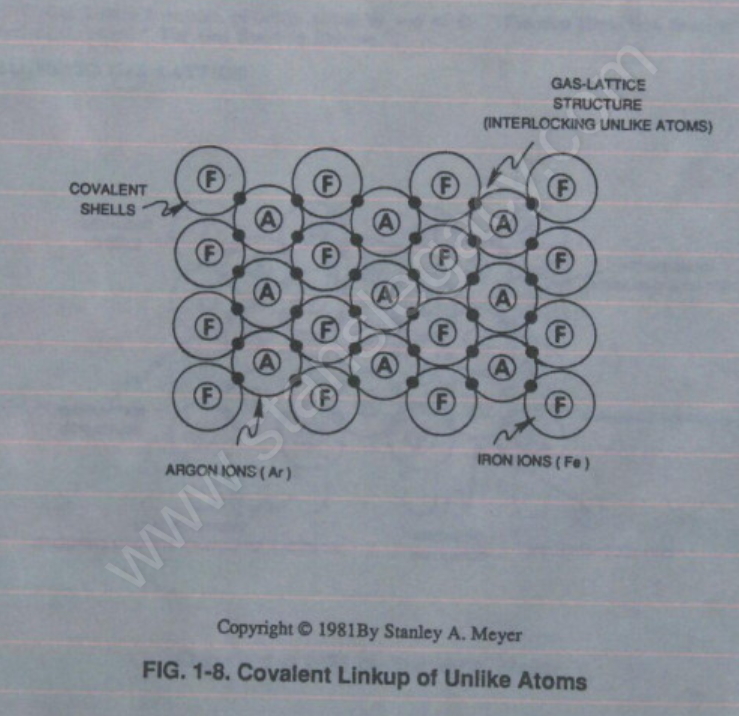
The forming Argon ion (Ar+) is now exposed to Iron ions (Fe+) (magnetic properties) experiencing and undergoing the same Electron Extraction Process. · Magnetic Gas Lattice
-
Figure (1-8) · Atomic Interaction to Voltage Stimulation
-
Figure (1-8) · Electron Extraction Process
-
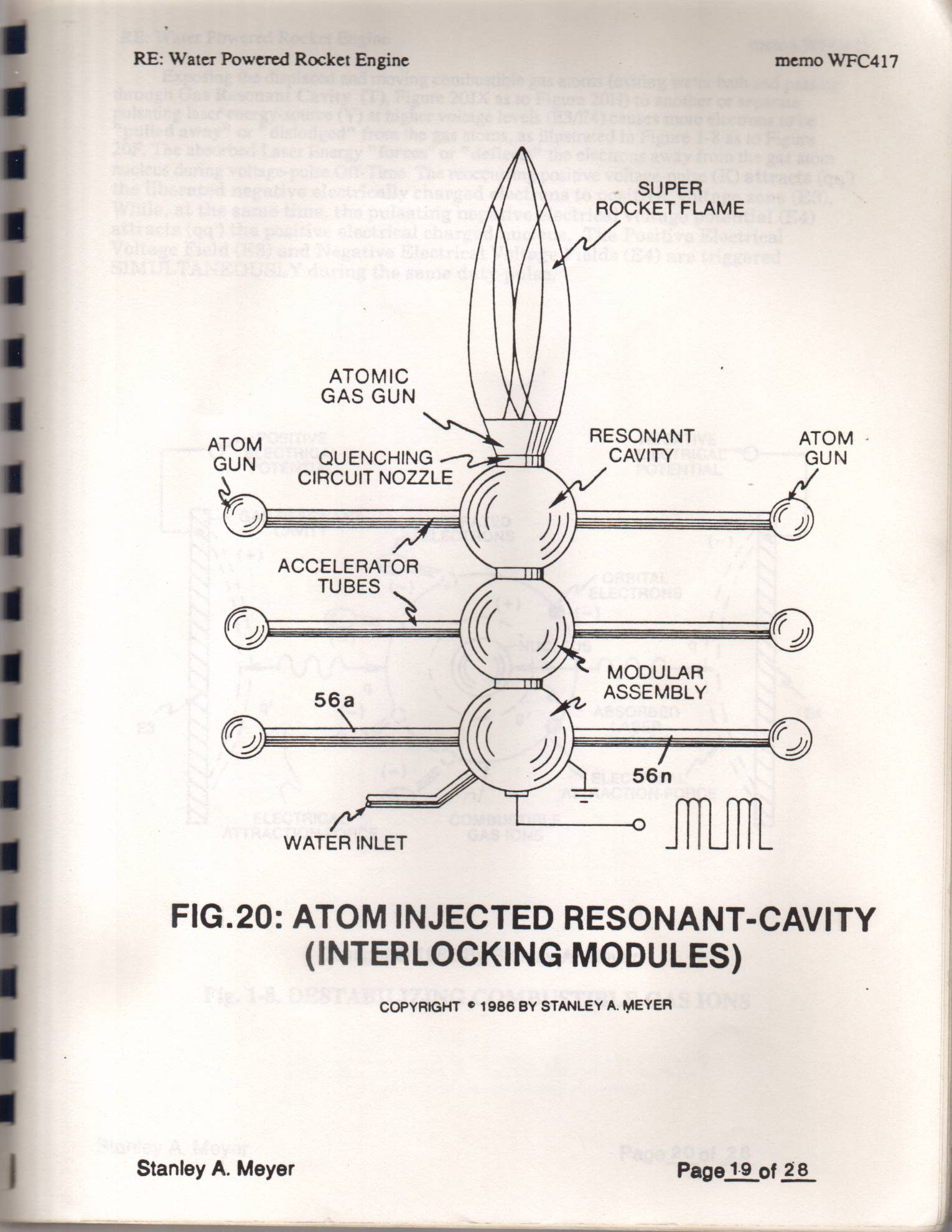
Laser activated or laser primed gas ions repel the "dislodged" electrons being consumed as illustrated in Figure (1-8) as to Figure (1-20). · Electron Extraction Process
-
Captioned as this figure · Funneling Effect
On this figure 8
- 7 Energy Aperture
- 80 Circuit
- 93 Water Bath Atoms
- Ar Argon
- E3 Positive Electrical Voltage Field
- E4 Negative Electrical Voltage Fields
- Fe Iron atom
- I —
Where it is named · 9
WFC 417 — WFC 417 2×
-
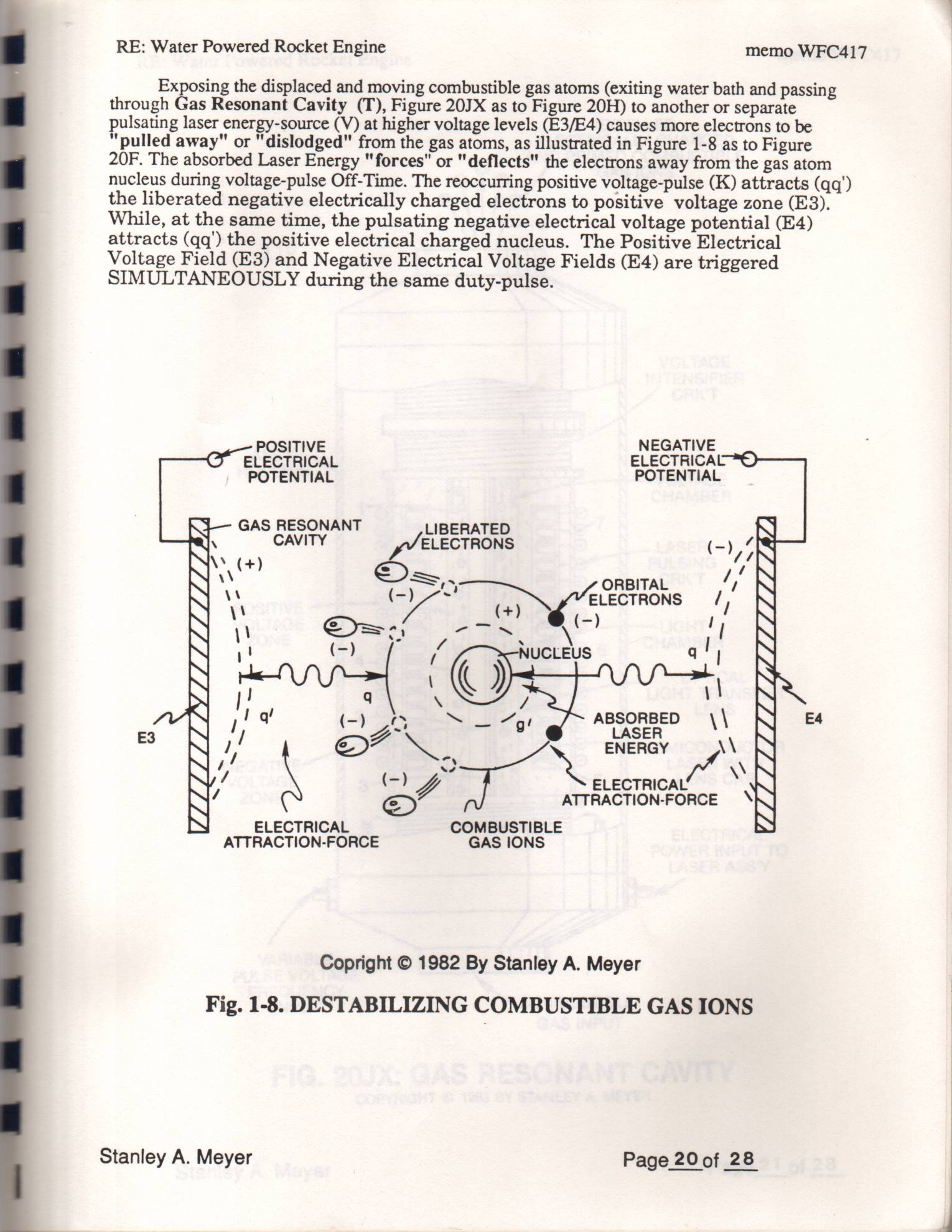
Exposing the displaced and moving combustible gas atoms (exiting water bath and passing through Gas Resonant Cavity (T), Figure 20JX as to Figure 20H) to another or separate pulsating laser energy-source (V) at higher voltage levels (E3/E4) causes more electrons to be “pulled away" or "dislodged" from the gas atoms, as illustrated in Figure 1-8 as to Figure
-
Fig. 1-8. DESTABILIZING COMBUSTIBLE GAS IONS
Magnetic Gas Lattice 1×
-
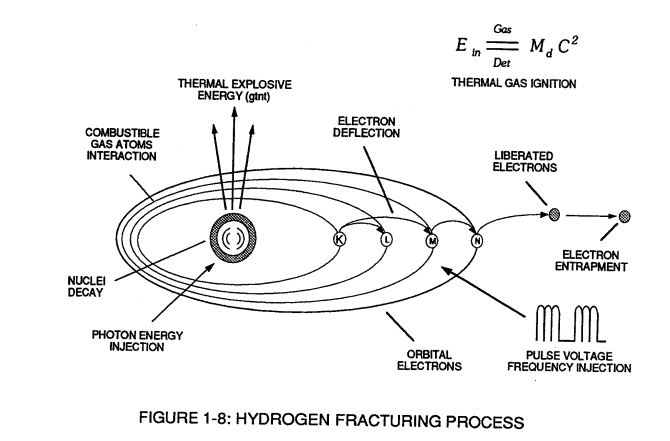
Covalent bonding of Iron ions (Fe+) to the Argon ion (Ar+) continues until a geometrical Gas-Lattice Structure is formed, as illustrated in Figure 1-8.
Atomic Interaction to Voltage Stimulation 2×
-
Voltage potential within an electrical circuit (see Voltage Intensifier Circuit as to Figure 1-1) can cause one or more electrons to be dislodged from the atom due to opposite polarity attraction between unlike charged entities, as shown in Figure (1-8).
-
Figure (1-8)
Electron Extraction Process 3×
-
Exposing the displaced and moving combustible gas atoms (exiting waterbath and passing through Gas Resonant Cavity (T), Figure (1-17) as to Figure (1-18) to another or separate pulsating laser energy-source (V) at higher voltage levels (E3/E4) causes more electrons to be "pulled away" or "dislodged" from the gas atoms, as illustrated in Figure (1-15) as to Figure (1-8).
-
Figure (1-8)
-
Laser activated or laser primed gas ions repel the "dislodged" electrons being consumed as illustrated in Figure (1-8) as to Figure (1-20).
Water Fuel Injection System 1×
-
The newly liberated water molecule atoms (oxygen 76 and hydrogen atoms 77a / 77b) immediately interact with laser primed ionized ambient air gases (7a xxx In of Figure 1-8) (see WFC memo 420) to cause the resultant highly energized and mass destabilized combustible gas atoms (93a xxx 93n) of Figure (8) to perform Hydrogen Fracturing Process (80) of Figure (7) when elec …